
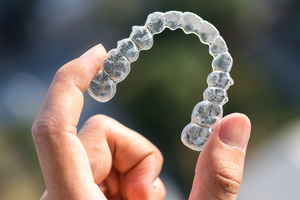
Many people who had braces as teenagers expect their teeth to stay perfectly straight for life. However, it’s actually very common for teeth to shift over time. This movement can occur for a variety of reasons, including natural aging, inconsistent retainer use, or changes in the jaw. If you’ve noticed your teeth becoming misaligned after having braces in the past, you may be wondering whether Invisalign is still an option. The good news is that many patients who previously had braces can successfully use Invisalign to correct new alignment issues.
Why Teeth Shift After Braces
Orthodontic treatment moves teeth into new positions, but the surrounding bone and tissues need time to stabilize. This is why wearing a retainer after braces is so important. Retainers help hold teeth in place while the mouth adjusts.
If retainers are not worn consistently, teeth can slowly drift back toward their original positions. Even people who followed retainer instructions carefully may notice small changes over the years due to normal aging and everyday wear on the teeth.
These changes are usually mild but can still affect the appearance and function of your smile.
How Invisalign Can Help
Invisalign aligners are designed to gradually move teeth into proper alignment using a series of custom-made clear trays. For patients who previously had braces, Invisalign can often correct minor crowding, spacing, or shifting that occurred after the initial treatment.
Because these adjustments are typically smaller than the original orthodontic corrections, treatment time may be shorter than it was with braces. In some cases, patients may only need Invisalign for several months to restore their smile.
The aligners are also clear and removable, which makes them a convenient and discreet option for adults who want to improve their smile again.
What Your Dentist Will Evaluate
Before starting Invisalign, your dentist will evaluate the current position of your teeth and the condition of your bite. They may take digital scans, impressions, or X-rays to develop a personalized treatment plan.
Your dentist will also check for any dental issues such as cavities or gum disease that should be addressed before orthodontic treatment begins.
In many cases, Invisalign works especially well as a “touch-up” treatment for people who previously had braces.
Maintaining Your Results
After Invisalign treatment is complete, wearing a retainer is just as important as it was after braces. Retainers help prevent teeth from shifting again and protect the results you worked to achieve.
With proper care and consistent retainer use, you can enjoy a straighter smile for many years.
If your teeth have shifted after braces, you’re not alone. Invisalign provides a convenient way to correct minor alignment issues and restore the smile you once had. A consultation with your dentist can help determine whether Invisalign is the right solution for your needs and help you take the next step toward a confident, well-aligned smile.
About the Author
Dr. Russell O’Connell earned his dental degree from the University of New England College of Dental Medicine and was part of their inaugural class. Since finishing school, he has completed extensive training to enable him to perform routine dental procedures at a high level as well as offer most specialty treatments in house. Dr. O’Connell is thrilled to practice dentistry in the Califon community and build lasting relationships with his patients. If you’re interested in a straighter, healthier smile with Invisalign, book online or call (908) 832-2300.